 RizzGen
How to Build a Faceless YouTube Series With a Consistent Visual Identity
Most faceless YouTube channels become visually inconsistent because each video is made as a standalone prompt. A repeatable series needs reusable context that stores the channel’s identity, pacing, visual language, narration style, and reference assets across every episode.
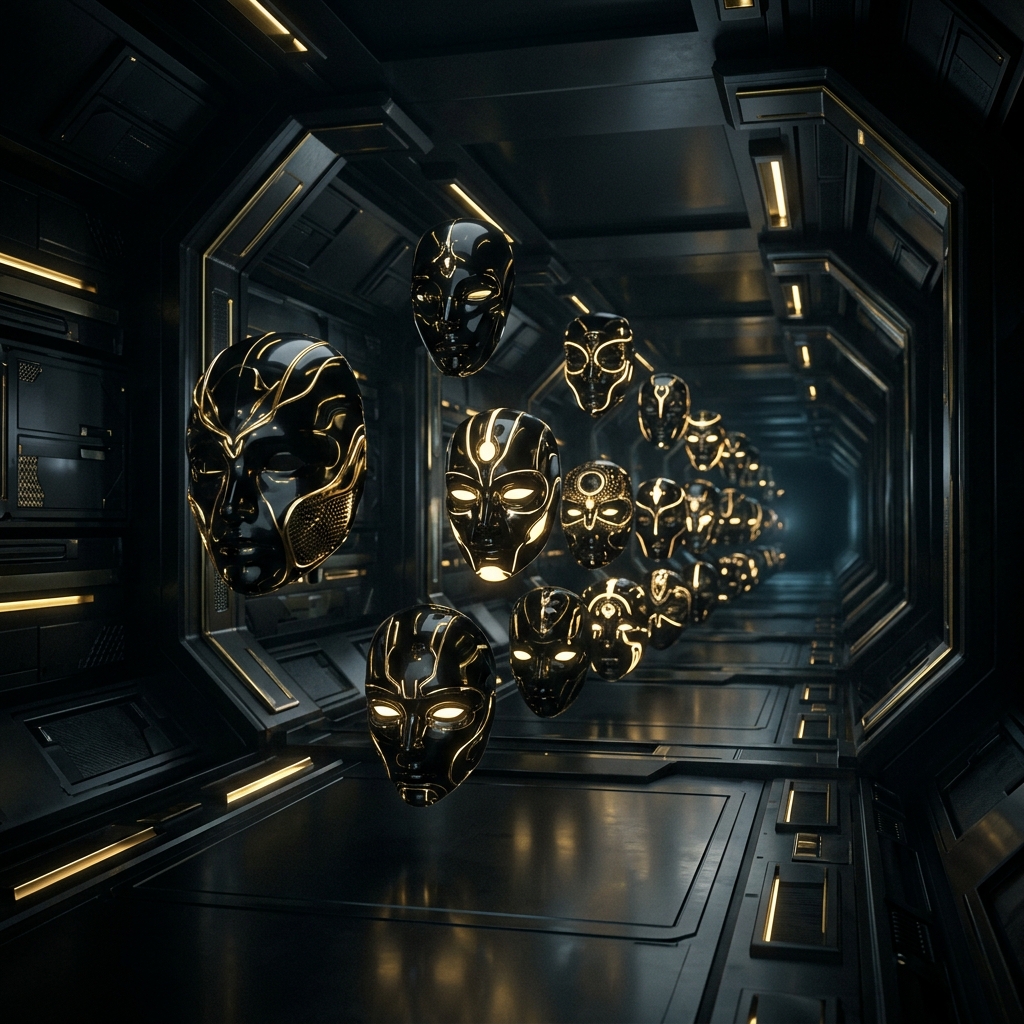 Building a consistent visual identity for repeatable YouTube series. Abstract photography by RizzGen.
A faceless YouTube channel does not become a series because the topic repeats.
It becomes a series because the identity repeats.
The pacing feels familiar. The visual world feels familiar. The narration style feels familiar. The transitions, rhythm, framing, and texture feel like they belong to the same channel, even when the subject changes.
This is where most AI-made faceless channels break.
The first video looks good in isolation. The second one looks different. By the fifth video, the channel has no visual identity at all.
One episode is dark and cinematic. The next is bright and infographic-heavy. The next feels like a motion design ad. The next suddenly sounds like a generic explainer.
The problem is not that the creator lacks taste. It is that every video is being built from zero.
If you want a faceless YouTube channel to feel like a real series, you need a reusable context.
Not just a topic prompt. A channel memory.
Why most faceless channels become visually inconsistent
A series is not just a content format. It is a creative system.
That system usually includes:
- a repeatable intro energy
- a familiar narration rhythm
- a predictable visual register
- recurring shot types
- consistent colour treatment
- common transition logic
- stable typography or text density
- repeated scene structure
- thematic references that make the channel recognizable
When creators build each video independently, those elements drift.
The facts may be consistent. The upload schedule may be consistent. But the creative identity is not.
That is why some faceless channels grow content but never build a brand.
People remember the topic. They do not remember the channel.
The goal is not to make every episode identical
Consistency is not sameness.
A good series keeps its identity while allowing variation.
A science channel can cover entropy, black holes, and simulation theory without each video feeling visually random. A history channel can shift from Rome to space race to espionage without becoming a different creative product every week.
The goal is this:
Different subject. Same channel DNA.
That requires an upstream system.
What reusable context means for a YouTube series
Reusable context is the channel-level memory that gets loaded before any episode is developed.
It stores the decisions that should remain stable across the series.
For a faceless YouTube channel, that usually includes:
1. Channel identity
- what the channel is about
- who the audience is
- what level of sophistication the audience expects
- whether the channel is cinematic, educational, editorial, documentary, or essayistic
- what emotional register the channel should sit in
2. Visual style
- colour palette
- contrast level
- lighting mood
- composition tendencies
- camera behaviour
- texture references
- preferred mix of footage, illustration, animation, motion graphics, or generated scenes
3. Script and narration style
- sentence length
- hook style
- whether scripts are dense or spacious
- how often rhetorical questions are used
- whether the narration sounds authoritative, curious, poetic, urgent, or dry
- how much humour or drama is appropriate
4. Structural patterns
- intro format
- common chapter rhythm
- preferred ending type
- CTA style
- whether episodes use recurring framing devices
- how often the script zooms out into philosophy versus staying concrete
5. Asset and reference layer
- intro logo animation references
- title card style
- recurring background motifs
- music direction
- sound texture cues
- typography references
- preferred transitions
- visual anti-references
This context becomes the creative memory of the series.
So instead of creating “a new video about topic X,” you are creating “the next episode in this channel.”
That distinction is everything.
What should stay consistent across a faceless series
Not everything.
Trying to lock every choice makes the channel rigid and repetitive.
The right move is to define which layers stay stable and which can flex.
Stable layers
These should remain largely consistent across episodes:
- channel tone
- primary palette
- narration cadence
- title-card system
- recurring scene types
- transition logic
- text density
- visual texture
- music mood family
- emotional register
Flexible layers
These can change episode to episode:
- exact topic
- examples and references
- scene-specific imagery
- pacing adjustments based on subject
- specialised visual metaphors
- model choice per scene
- specific environments or motion treatments
A creator who knows this distinction can build a series that feels alive without becoming messy.
Build the series bible before the episode plan
Most creators do the opposite.
They start planning episode one. Then they improvise episode two. Then they patch continuity problems in episode three.
A stronger workflow is:
- define the channel identity
- define the series bible
- store it as reusable context
- build episodes on top of it
The series bible does not need to be long. It needs to be specific.
Faceless YouTube Series Context Template
A. Channel core
- Channel name
- One-sentence premise
- Audience profile
- What the viewer should feel after an episode
- Intellectual level: beginner, curious generalist, informed enthusiast, expert
- What the channel is not trying to be
B. Narrative style
- Hook style
- Average pacing
- Voice tone
- Sentence rhythm
- Whether the writing is visual-first, argument-first, or story-first
- How often the script zooms out into bigger ideas
C. Visual identity
- Primary colours
- Accent colours
- Preferred backgrounds
- Contrast level
- Texture references
- Preferred visual mediums: cinematic footage, minimal motion graphics, collage, 3D, diagrams, generated scenes
- Anti-style rules
D. Scene system
- Common opening scene types
- Common explanatory scene types
- Common “scale up” scene types
- Common emotional or reflective ending scene types
- Rules for when text should appear on screen
- Rules for when visuals should slow down
E. Audio direction
- Music mood
- Whether sound design is subtle or pronounced
- Voiceover style notes
- Silence usage
- End-card audio behaviour
F. Reusable assets
- Logo files
- Intro/outro card references
- Channel icon
- Thumbnail style notes
- Reusable motion graphics
- Background motifs
- Reference stills
- Moodboard images
G. Production notes
- Maximum episode length by format
- Preferred platform ratio
- Caption rules
- CTA style
- Sponsor integration rules if relevant
- Words or visuals to avoid
This context should be loaded before any episode ideation starts.
A repeatable visual identity comes from recurring choices
What makes viewers recognize a channel is not a single logo sting.
It is the accumulation of recurring creative decisions.
For example:
- every episode opens with a slow reveal and sparse narration
- big abstract concepts are visualized through dark minimal worlds
- historical examples use archival textures
- scientific explanations shift into cleaner diagrams
- endings return to a quieter, reflective cadence
- the palette always sits inside a controlled range
- transitions are elegant, not loud
- text appears rarely and deliberately
When these choices repeat, the channel becomes legible.
That is what a series identity is.
Use reusable context to prevent style drift
Style drift happens when every episode is briefed independently.
The creator may still write “dark minimal style” in the prompt, but that instruction is too weak on its own. It lacks the accumulated detail of the actual channel language.
A reusable context can keep track of things like:
- this channel prefers moody contrast, not neon futurism
- hooks should feel curious, not sensational
- visual metaphors should feel editorial, not meme-like
- narration should sound calm and intelligent, not overexcited
- transitions should be smooth and cinematic, not template-like
- on-screen text should be sparse
- end cards should feel native to the series, not like an ad
That knowledge is what keeps episode seven from feeling like it came from a different creator than episode one.
A useful episode workflow for faceless channels
Once the reusable context exists, each episode can follow a cleaner production flow.
Step 1: Load the channel context
Bring in the channel’s tone, visuals, pacing, asset references, and production rules.
Step 2: Develop the specific episode angle
A video about entropy and a video about black holes may need different story shapes, but both should still feel like the same channel speaking.
Step 3: Build the episode plan against the channel identity
The episode structure should inherit:
- how the channel opens
- how the channel explains
- how the channel escalates
- how the channel closes
Step 4: Generate scene by scene, not all at once
This lets the creator preserve the series identity while adapting the visuals to the topic.
Step 5: Save what worked back into the context
If a certain intro pacing, visual treatment, or narration structure performs well and feels right, it should become reusable channel knowledge.
That is how the series gets sharper over time.
What reference assets matter most for faceless channels
Faceless channels often underestimate the power of reference material because there is no on-screen personality anchor.
That makes creative consistency even more important.
Useful reusable assets include:
- logo files
- title card examples
- thumbnail references
- sample intros
- music references
- texture boards
- motion examples
- narration examples
- style frames from previous episodes
- colour palette cards
- recurring background elements
These do not just help with design. They help with continuity.
Without them, each episode leans too heavily on the model’s defaults.
Common mistakes that make a channel feel inconsistent
1. Chasing a different aesthetic for every topic
A channel should adapt to the topic without abandoning itself.
2. Writing every script in a different voice
Even strong ideas become forgettable if the narration style keeps changing.
3. Treating visuals as decoration instead of channel language
The visuals are part of the identity, not a filler layer under the voiceover.
4. Using no asset memory
If intros, end cards, motifs, and reference stills are not reusable, the channel keeps improvising its own look.
5. Overcorrecting into sameness
Consistency should make the series recognizable, not dull. Keep the identity stable and the episodes alive.
What this looks like inside RizzGen
RizzGen’s Context system is designed for exactly this kind of channel memory.
A creator can build a reusable Context for a faceless YouTube series that stores:
- channel identity
- audience
- script voice
- visual style
- recurring references
- music direction
- asset files
- platform rules
- episode structure preferences
That Context can be loaded into every new video session before ideation begins.
So when you start a new episode, you are not explaining your channel again. You are directing the next installment of an existing creative system.
That is what makes a faceless channel feel like a series instead of a pile of disconnected uploads.
Final thought
Faceless YouTube does not mean identity-less YouTube.
In fact, without an on-screen creator, the identity of the channel has to be even more deliberate.
The channels that feel coherent over dozens of uploads do not get there by accident. They create a repeatable creative language and protect it across every episode.
That language should live in reusable context: the channel’s tone, references, visual style, scene patterns, pacing logic, audio direction, and assets — all loaded before each video is made.
That is how you build a faceless YouTube series with a consistent visual identity.
If you want every episode in a faceless YouTube series to feel like it belongs to the same channel, the workflow needs more than prompts. It needs reusable creative memory.
RizzGen’s Context system lets you store your channel identity, narration style, visual references, asset files, pacing rules, and recurring series notes so each new episode starts from the channel’s actual DNA, not from zero.
Load that Context, build the next episode, and keep the series visually coherent as it grows.